

Basics of Computer Architecture and Organization
Contents
ToggleWhat is Computer Architecture?
Computer architecture, also called the instruction set architecture acts as the blueprint for a system’s overall functionality. It focuses on high-level design choices, such as the instruction set architecture (ISA), data types, registers, and addressing modes. For instance, architects decide how instructions like “add” or “load” behave across the system. Moreover, it dictate how memory stores both data and instructions. This “what” perspective guides programmers, as they write code assuming these rules.
What is Computer Organization?
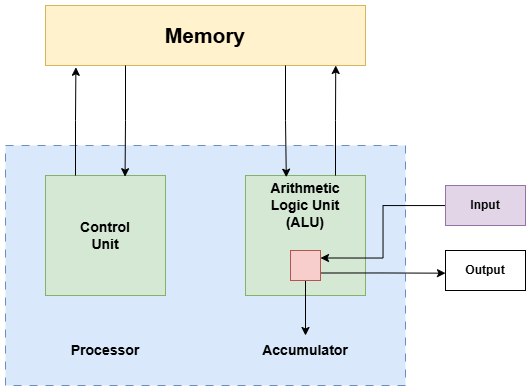
Computer organization handles the how the physical setup of components like CPU, memory, and buses. It details interconnections, such as how the ALU links to registers via control signals. Engineers implement the architecture here, choosing circuits and layouts for performance.
In other words, computer organization deals with how the different components of a computer such as the processor, memory, and peripheral devices are connected with each other and the roles they play during program execution.
For example, it covers microarchitecture, like pipelining in Intel chips where instructions overlap for faster execution. This low-level focus ensures cost-efficiency and reliability but limits flexibility once built.
A practical case: In gaming consoles like PlayStation, organization optimizes cache placement near the CPU, reducing data fetch delays during intense graphics rendering. Thus, while architecture sets rules, organization makes them work in silicon.
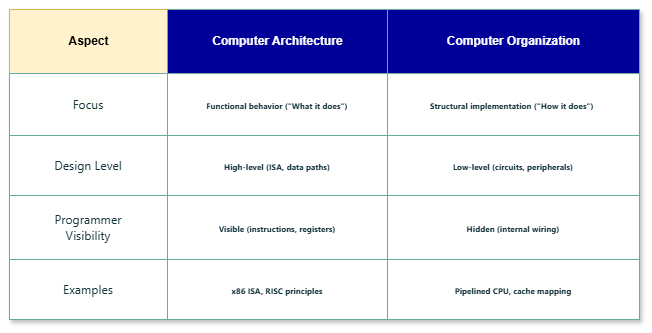
Computer architecture defines what a computer system does through its functional design, while computer organization explains how it achieves that via hardware implementation.
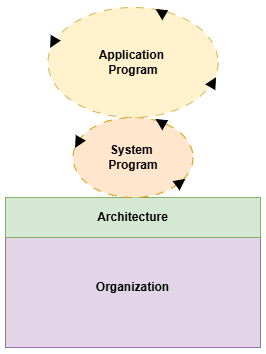
Key Differences: Architecture vs Organization
Why Study Computer Organization and Architecture?
Studying COA builds a strong foundation for tech careers. Firstly, it explains device efficiency—why your phone multitasks without lagging. Developers optimize code knowing architectural limits, like register counts.
Secondly, it aids hardware-software integration. For example, OS designers align with ISA for smooth system calls. In embedded systems, like car ECUs, understanding organization prevents overheating during real-time control.
Real-Life Applications of COA
Architecture (ARM) enables app portability, while organization (multi-core setup) handles gaming and calls simultaneously. Without this duo, devices would crash under load.
In data centers, AWS servers use advanced organization for virtualization, stacking VMs efficiently per architectural specs. Self-driving cars rely on real-time organization to process sensor data without delays.
Even wearables like Fitbit optimize low-power organization around simple architecture, extending battery life. These examples show COA’s role in reliable, fast computing
FAQ
What is the main difference between computer architecture and organization?
Architecture focuses on functional design (“what”), while organization covers physical implementation (“how”).
How does studying COA help developers?
It reveals hardware limits, aiding code optimization and system design for projects like compilers.
Give a real-life example of computer organization.
Smartphone multi-core CPUs use pipelining to juggle apps smoothly without user-noticeable delays.
Is computer architecture fixed before organization?
Yes, architects define ISA first; then organizations build hardware to match.
What careers benefit from COA knowledge?
Chip design, embedded systems, OS development, and AI hardware engineering.